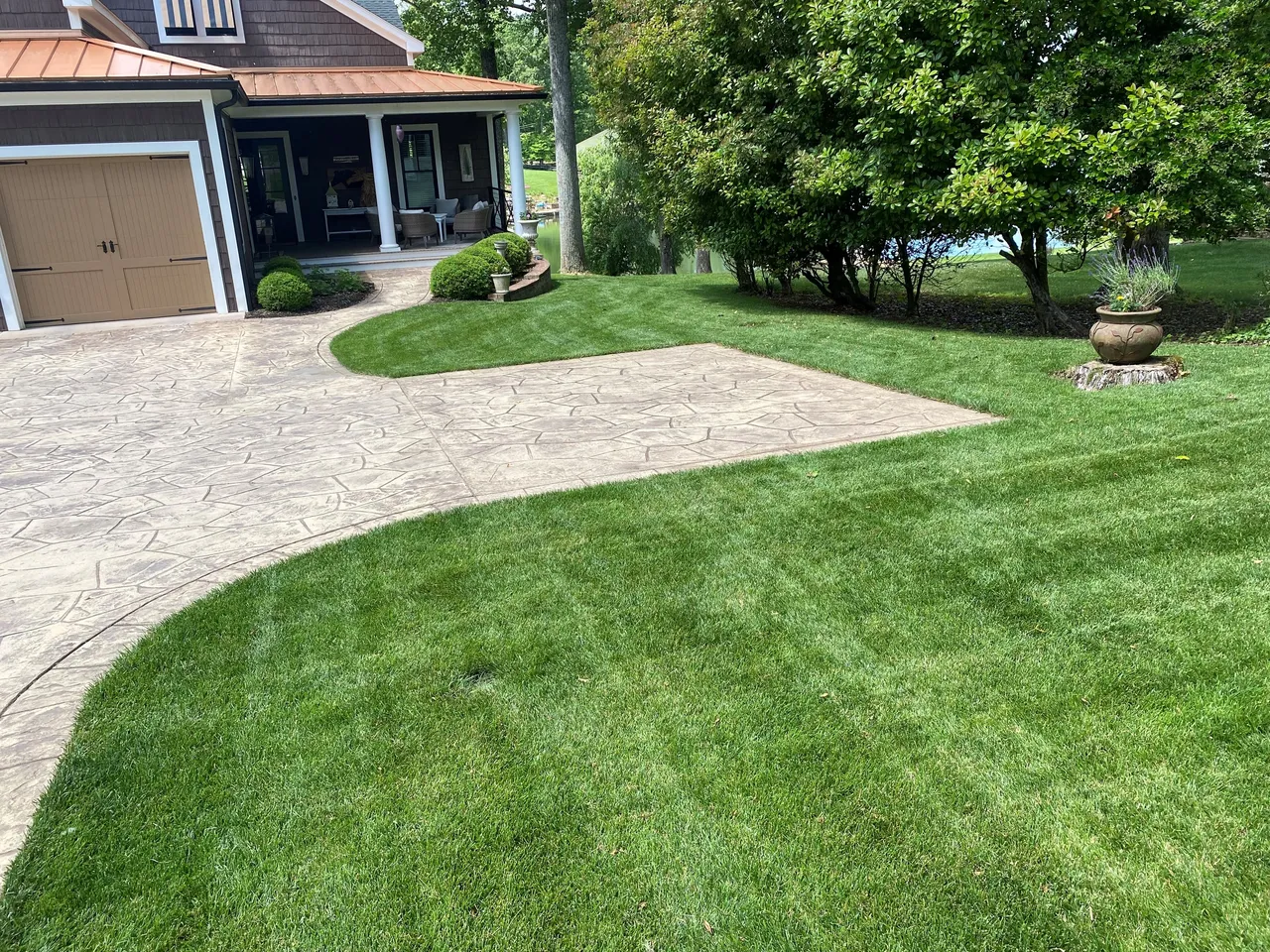
Lawn Love: Green Goat's Comprehensive Guide to Eco-Conscious Yard Care Jul 14, 2026
To begin creating an eco-friendly yard, it's crucial to start with proper soil management. Healthy soil is the foundation of a thriving lawn and can significantly reduce the need for chemical fertilizers. Begin by testing your soil's pH and nutrient levels; this will help determine what natural amendments it may need. Incorporating organic matter such as compost can enhance soil quality, improve water retention, and boost soil health—ensuring your grass grows strong and vibrant.
Next, consider the type of grass you plant. Selecting native grass varieties is vital for sustainable yard care because these plants are already acclimated to local climate conditions and require less water and maintenance. In regions with varying climates, drought-resistant grasses are an excellent choice for combating water scarcity. Mixing different grass species can also promote bio-diversity, making your lawn more resilient to pests and diseases.
Water is another critical resource in maintaining an eco-conscious lawn. Instead of traditional watering methods, opt for smart irrigation systems that adapt to the weather and soil conditions. These systems can reduce water usage by up to 50%, ensuring your lawn receives adequate moisture without waste. Water your lawn early in the morning or late in the evening to minimize evaporation and maximize absorption.
Mowing practices also play a significant role in sustainable lawn care. Set your mower blade to the highest setting to allow grass to reach its optimal height. Longer grass shades the soil, reducing evaporation and suppressing weed growth naturally. Utilize a mulching mower to chop grass clippings into fine pieces, returning them to the lawn as a natural fertilizer. This practice not only nourishes the grass but also decreases the need for additional fertilizers.
Emphasizing the importance of natural pest control is crucial for a healthy yard. Encourage beneficial insects like ladybugs and predatory beetles to take up residence in your garden, as they naturally keep pest populations in check. Plant flowers and herbs that attract these helpful insects, eliminating the need for chemical pesticides. Introducing nematodes, beneficial microscopic worms, can also combat soil-dwelling pests without harming beneficial organisms.
Integrated pest management (IPM) strategies can help manage pests effectively without harming the environment. Keep an eye on pest populations and intervene with non-chemical solutions only when absolutely necessary. Rotating different types of plant materials and introducing companion plants can further enhance IPM efforts by creating a more balanced ecosystem.
Finally, choose organic fertilizers over synthetic options. Organic fertilizers release nutrients slowly, improving soil structure and fostering a healthier lawn. Compost tea and worm castings are excellent natural fertilizers that provide your grass with essential nutrients while promoting microbial activity in the soil.
In conclusion, eco-conscious yard care requires thoughtful practices that respect the balance of nature. By focusing on soil management, efficient watering, mindful mowing, and natural pest control, you can achieve a beautiful lawn without compromising on sustainability. At Green Goat Lawn Services, we are committed to helping you implement these practices, ensuring your yard remains an oasis of greenery for years to come. Embrace the love for your lawn and the planet by stepping into the world of sustainable yard care today.
/filters:no_upscale()/filters:format(webp)/media/ab2d3764-8b0a-4408-9a52-c26c6866d132.webp)