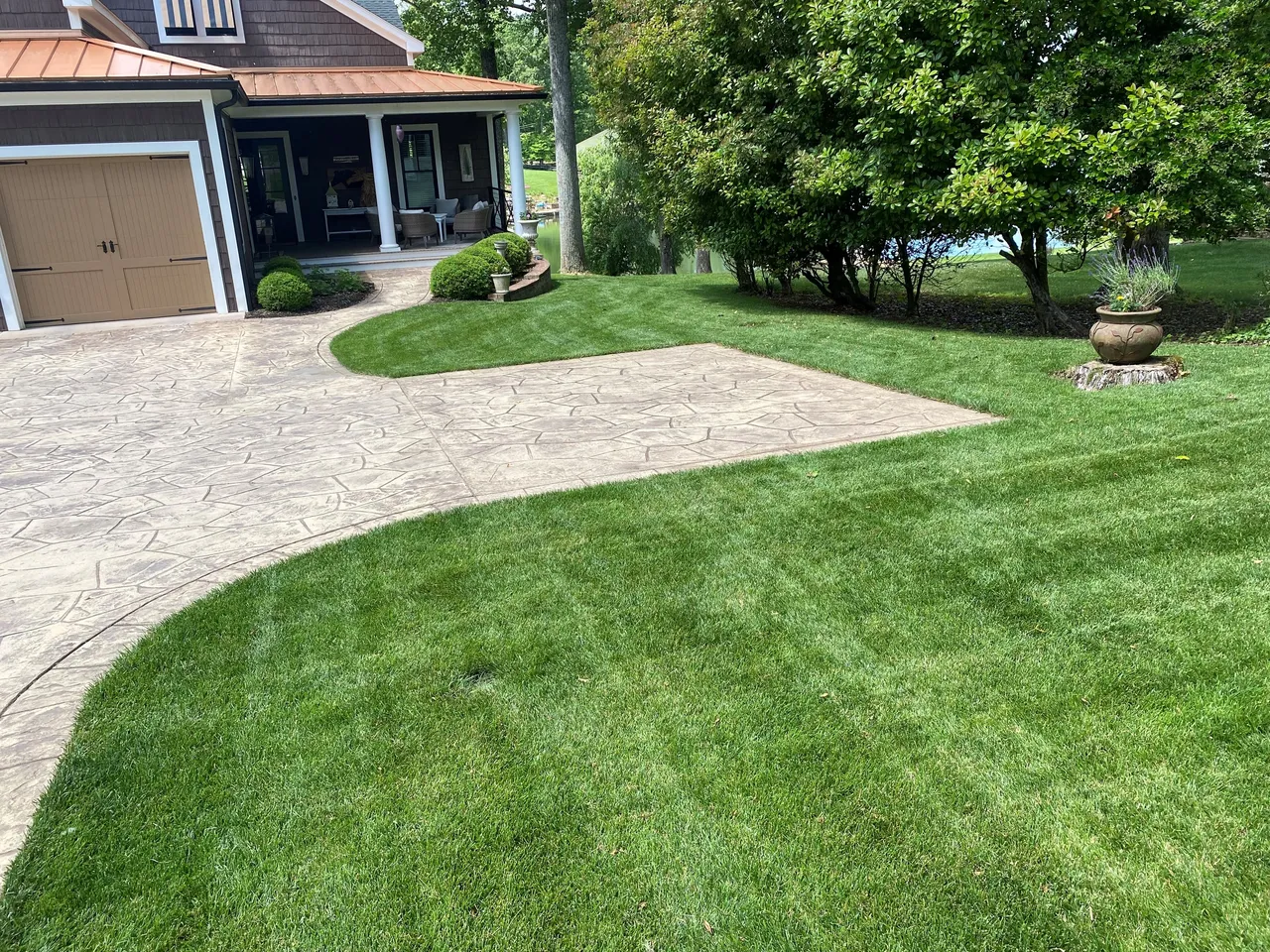
From Turf to Green Glory: Green Goat's Guide to Sustainable Lawn Care Jun 01, 2026
Understanding Your Lawn's Needs
Every lawn is unique, requiring different care and maintenance strategies. The first step to sustainable lawn care is understanding what your lawn needs based on its soil type, grass species, and sunlight exposure. Conduct a soil test to determine its pH and nutrient content. This will help you choose the right fertilizers and amendments, reducing the need for over-application and minimizing runoff into local water sources.
Choosing the Right Grass
Selecting the appropriate grass type for your region's climate is critical. By choosing drought-resistant and native grass species, you can significantly reduce water consumption. Native grasses are naturally adapted to local conditions, making them more resistant to pests and diseases, which decreases the need for chemical treatments. Green Goat recommends varieties like buffalo grass and fescues for their low-water and minimal-maintenance properties.
Implementing Natural Fertilization Techniques
Skip the synthetic fertilizers and opt for organic options. Compost and natural fertilizers release nutrients slowly, ensuring your lawn receives the nourishment it needs without the risk of chemical leaching or burning. At Green Goat, we advocate for using natural fertilizers rich in nitrogen and phosphorous. This not only enriches your lawn but also helps maintain soil structure and boosts microbial activity.
Water Wisely
Water conservation is a cornerstone of sustainable lawn care. The key is to water deeply and infrequently to encourage deep root growth, which enhances drought resistance. Early morning is the best time for watering to reduce evaporation loss. Consider installing rain sensors or smart irrigation controllers, which adjust watering schedules based on weather conditions.
Mowing and Mulching
Proper mowing practices can immensely impact the health and sustainability of your lawn. Keeping your mower blades sharp ensures clean cuts, reducing plant stress and vulnerability to disease. Set your mower to a higher setting, leaving grass at least three inches tall, which provides shade for the soil, reducing water evaporation and suppressing weed growth.
Moreover, grasscycling — leaving clippings on the lawn after mowing — acts as an efficient natural fertilizer. Clippings decompose quickly, returning nutrients to the soil and reducing the need for additional fertilizers.
Integrated Pest Management
Instead of relying on chemical pesticides, Green Goat recommends implementing integrated pest management (IPM) practices. This approach focuses on prevention, monitoring, and control with minimal environmental impact. Employ natural predators, such as ladybugs, and introduce beneficial nematodes to control soil-borne pests. Encourage a biodiverse garden by incorporating plants that attract birds and beneficial insects that deter pests naturally.
A Commitment to Green Glory
By transitioning to sustainable lawn care practices with Green Goat's guidance, you can enjoy a lush, vibrant lawn that is both environmentally responsible and beautiful. These methods not only protect your lawn but also contribute to broader ecological health, conserving resources for future generations.
Embrace these practices as part of your lawn care routine, and watch as your turf transforms into a stunning green glory — all while supporting a sustainable and environmentally friendly future. Trust in Green Goat for all your lawn care needs, and let us help you create a landscape that thrives responsibly.
/filters:no_upscale()/filters:format(webp)/media/ab2d3764-8b0a-4408-9a52-c26c6866d132.webp)